Hoka Bondi 9 – A Consumer’s View on Durability (Photos + Data)
I submitted my Hoka Bondi 9 shoes for a warranty claim on 2 October 2025.
I was informed that the shoes had “worn in an unusual way” and the store suspected they may have been used, for example, while riding a moped.
This claim is incorrect.
These shoes have been used exclusively for walking. I do not own a moped and have not used the shoes for anything other than walking.
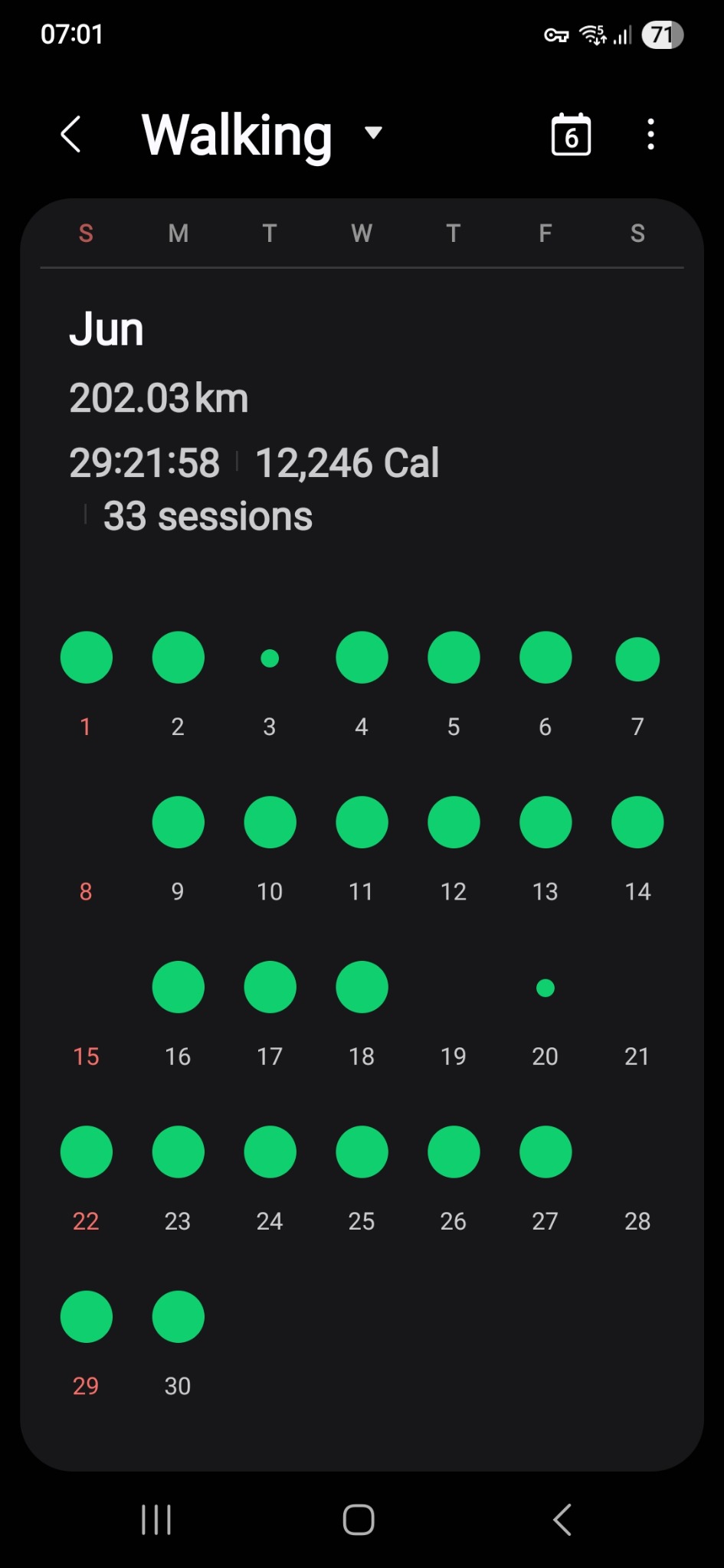
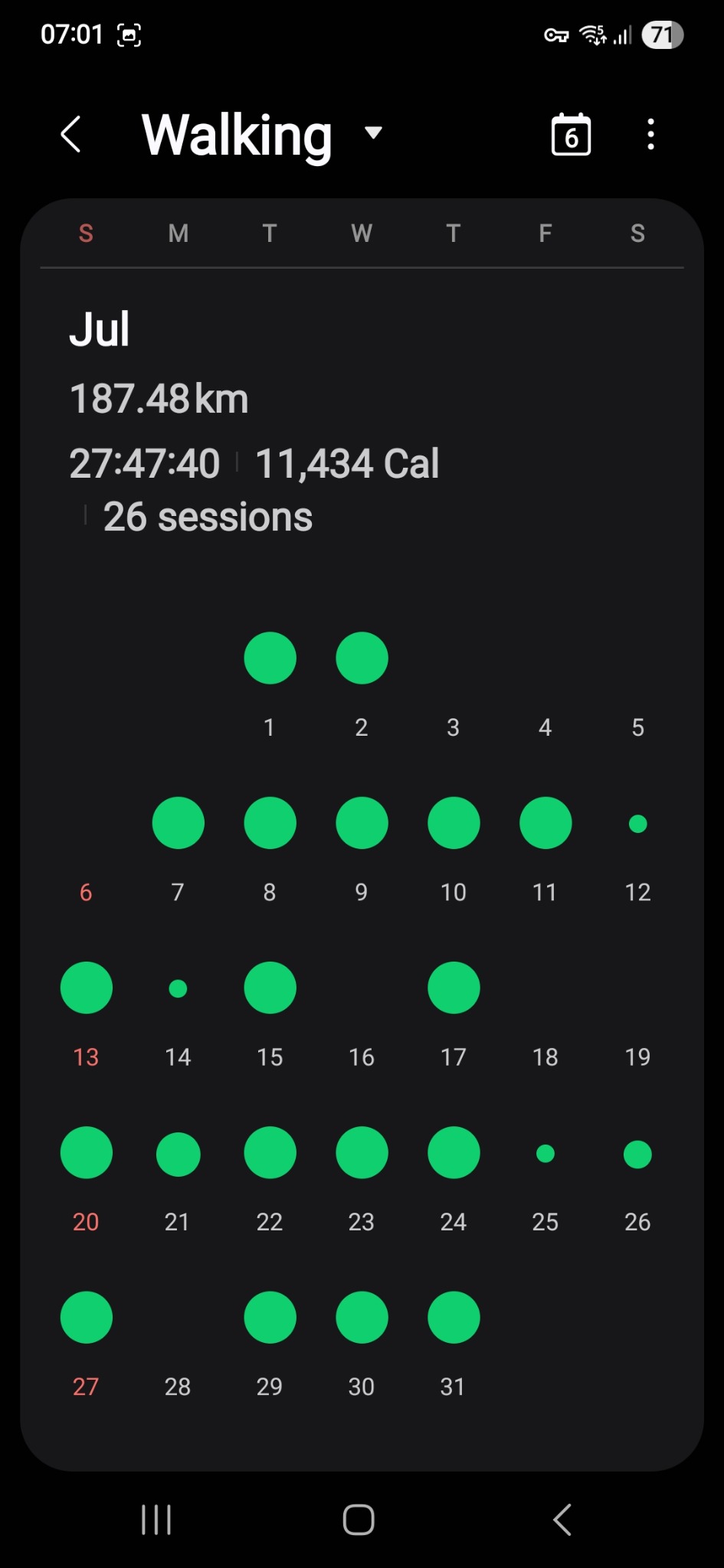
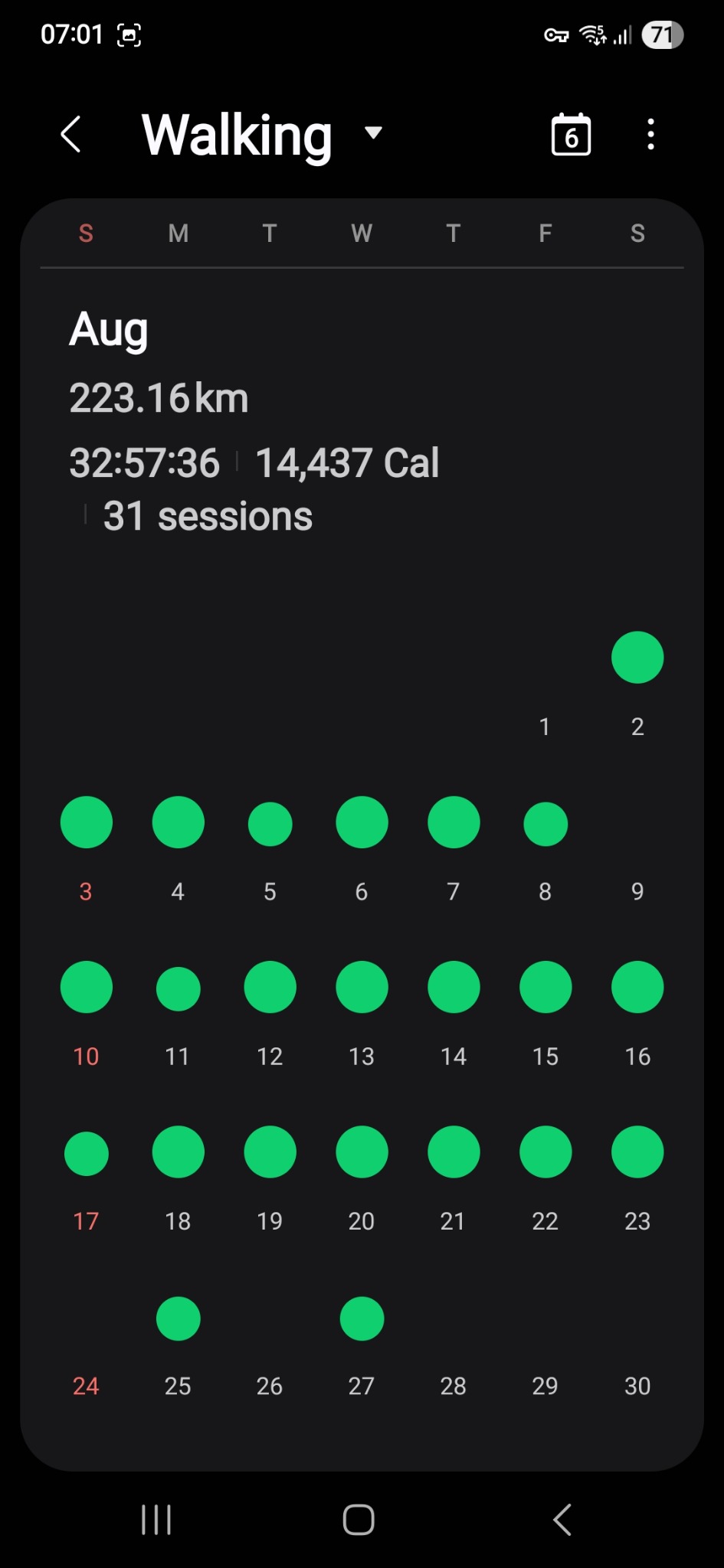
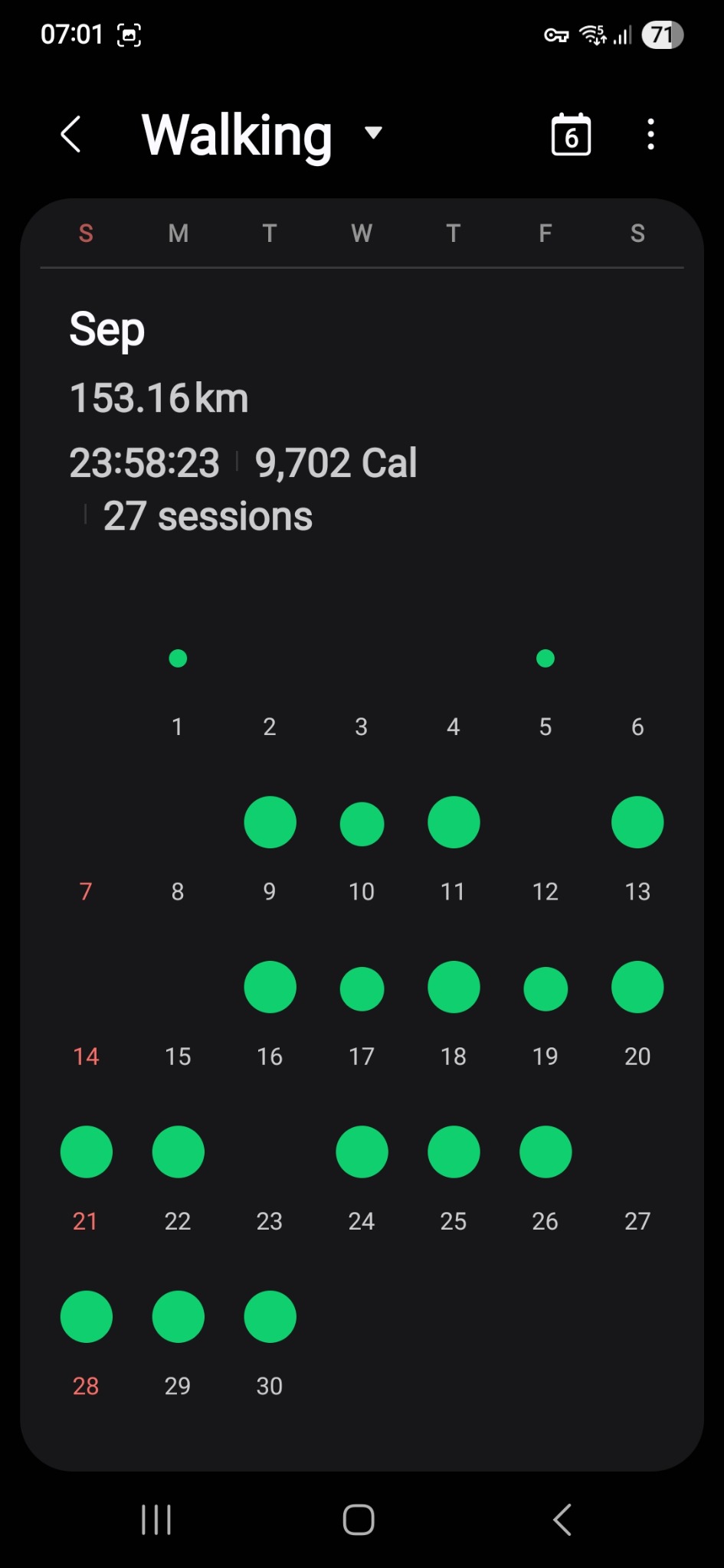
I use a Samsung Watch FE and the Samsung Health app, which automatically recorded all my walking activities from 1 June to 30 September 2025.
The data shows that I walked a total of 766 kilometers during this period. This amount is entirely normal for four months of use.
A summary of the walking data is provided at the end of this document (“Samsung Health — walking data”).
According to typical expectations, Hoka Bondi 9 shoes should last approximately 800–1000 km, so the outsole should not show significant wear at this stage.
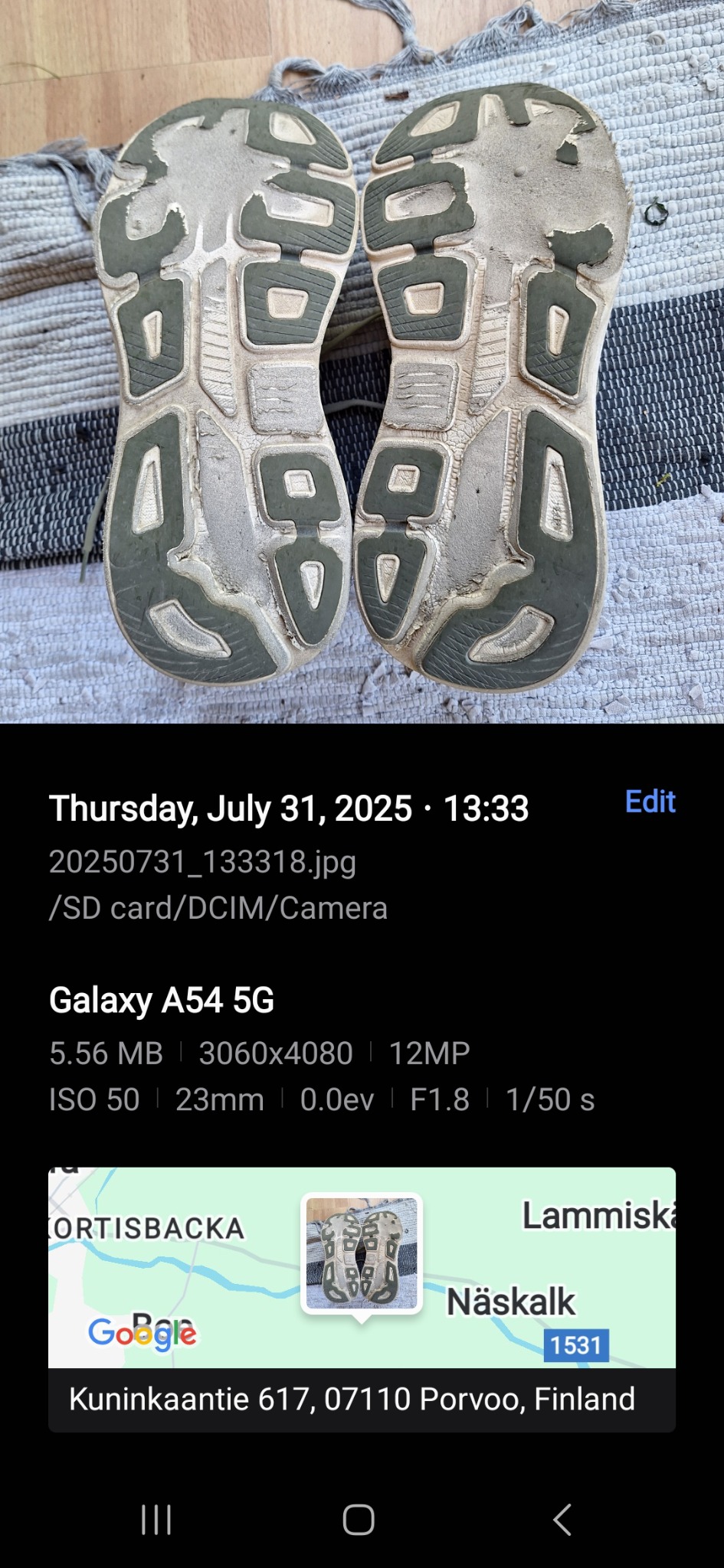
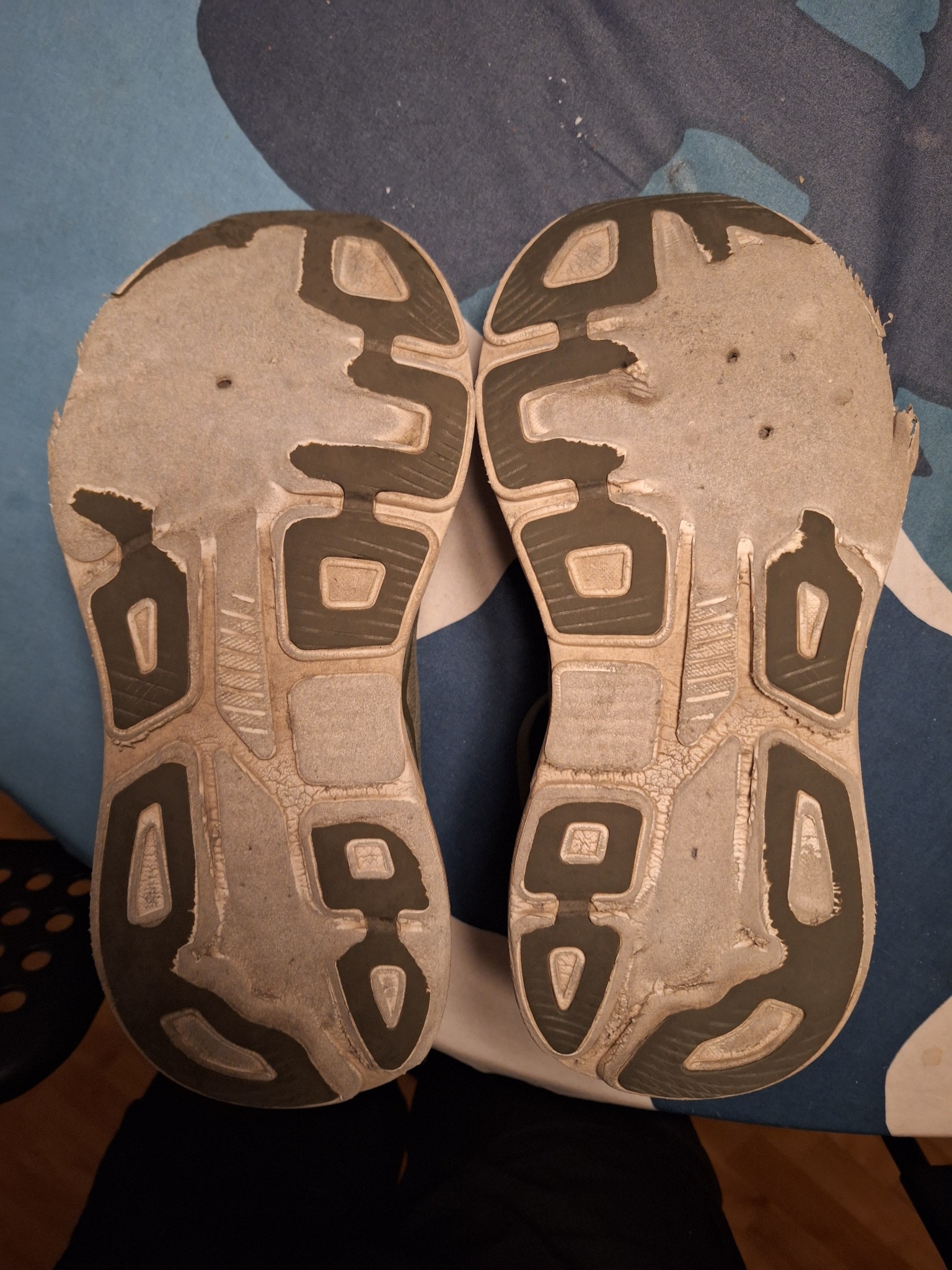
The fact that both shoes show symmetrical wear on the lateral forefoot indicates a material defect rather than misuse.
As seen in the photo taken on 31 July 2025, the outsoles were already unusually and prematurely worn at that time, even though only about half of the summer’s total use had occurred. This demonstrates that the wear began exceptionally early and is not due to improper use, but most likely to faulty material or a manufacturing batch issue.
Later, in a photo taken on 8 October 2025, the shoes are in the same condition as on 4 October 2025 for the claim. The outsoles of both shoes are still clearly worn on the lateral forefoot, and the wear has deepened compared to the July photo.
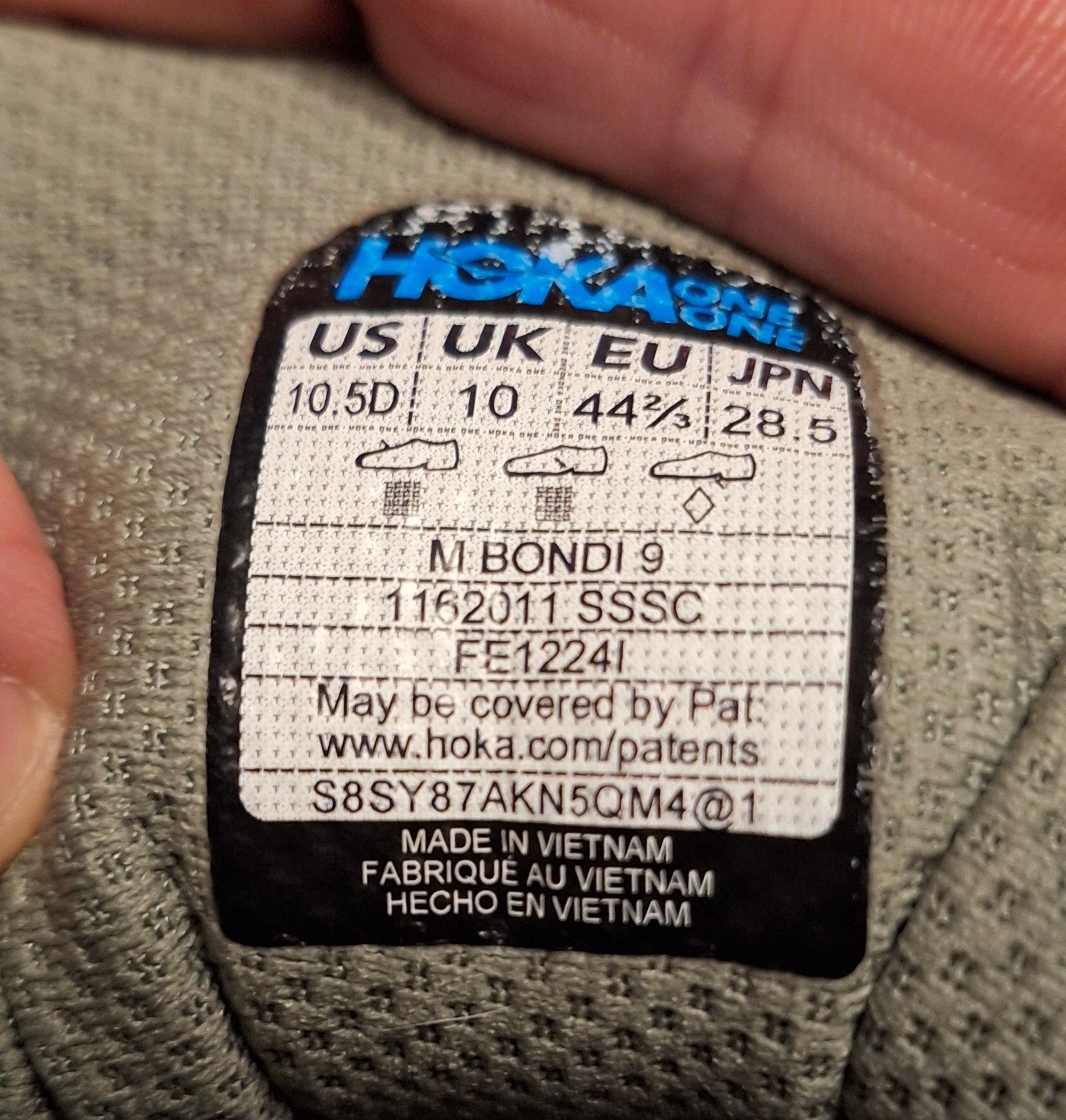
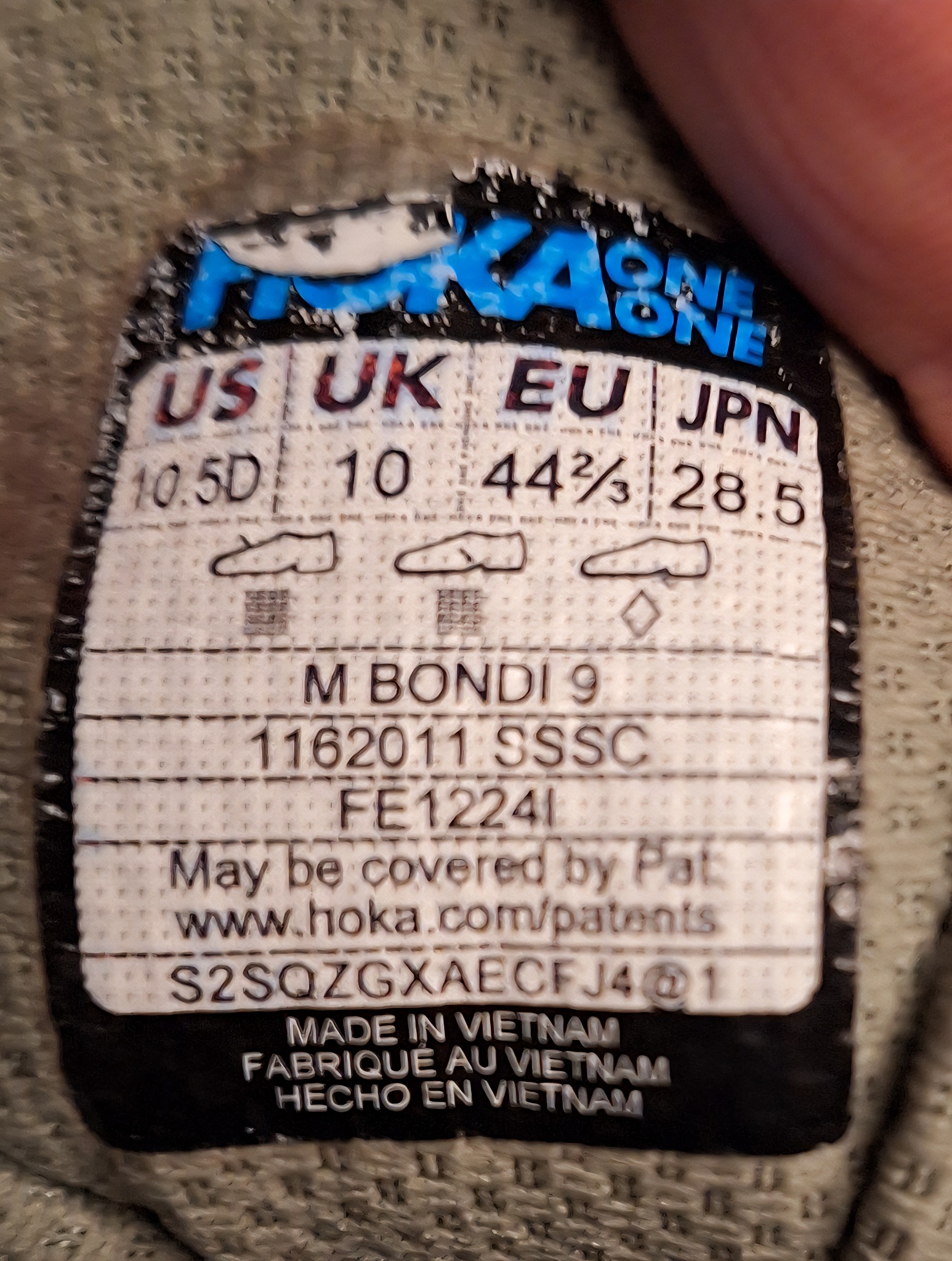
In another photo taken on 8 October 2025, both shoes’ inner labels are visible, showing the model number, size, and production batch. These identifiers confirm that this is the same pair of Hoka Bondi 9 shoes for which the claim was filed on 4 October 2025.
Samsung Health — walking data (June–September 2025)
HOKA Customer Service – Summary of Replies
10 Oct 2025 – HOKA stated the case is considered “general wear and tear,” so it is not covered by warranty. They referred to a policy that covers material/craftsmanship defects (up to two years from purchase), but excludes normal wear and tear, misuse/abuse, water damage on non-waterproof products, alterations and accidental damage.
14 Oct 2025, 12:01 – HOKA clarified they cannot override the retailer’s decision because the purchase was made from a store (not directly from HOKA). They advised pursuing a detailed, technical explanation directly with the retailer.
14 Oct 2025, 18:59 – HOKA noted it’s difficult to provide universal reference photos or mileage-based outsole expectations (~250 and ~500 miles), since wear depends on surface, body weight, walking speed/frequency, gait and pronation. They said they will check internally whether general guidance or examples can be shared.
23 Oct 2025, 10:56 – HOKA apologises for the delay. After internal consultation, they state they cannot provide the requested reference photos or general mileage-based wear expectations, because wear varies widely with individual factors (usage patterns, conditions, care). They apologise that this isn’t the outcome you hoped for and offer general care/maintenance advice if needed.
Consumer note (light and constructive)
It’s clear wear depends on many factors. Still, it would help everyone to have transparent rule-of-thumb guidance (or sample images) for how the outsole should typically look around ~250 miles (~400 km) and ~500 miles (~800 km) in everyday walking. That would make the “normal vs. atypical wear” discussion much easier. If brands shared an “expected wear spectrum”—even a rough one—we wouldn’t need a crystal ball to judge shoes… the sneakers would speak for themselves. 🙂
Quick summary
- HOKA’s stance: the observed condition is normal wear and tear, not a manufacturing defect; warranty therefore doesn’t apply.
- Process: because it’s a store purchase, the retailer handles the claim; HOKA can’t overturn the store’s decision.
- Next steps: HOKA will explore whether general reference guidance/images can be provided.
- Final outcome: HOKA has conducted an internal review but is unable to provide the requested reference photos or general mileage-based wear guidelines.